Design Your Day With Smarter Choices

Join a practical, optimistic exploration of applying choice architecture to household routines, where tiny defaults, smart placements, and gentle prompts transform mornings, meals, chores, and rest. We will turn behavioral science into homely design moves that lower friction, reduce decision fatigue, and help everyone feel calmer, capable, and consistent every single day.

Designing the Wake-Up Path

Place the alarm across the room, pair it with a sunrise lamp, and leave a glass of water within reach. Charge your phone in the kitchen overnight, so movement becomes inevitable. Lay tomorrow’s outfit on a visible chair, removing rummaging and bargaining with snooze.

Frictions that Guide Breakfast

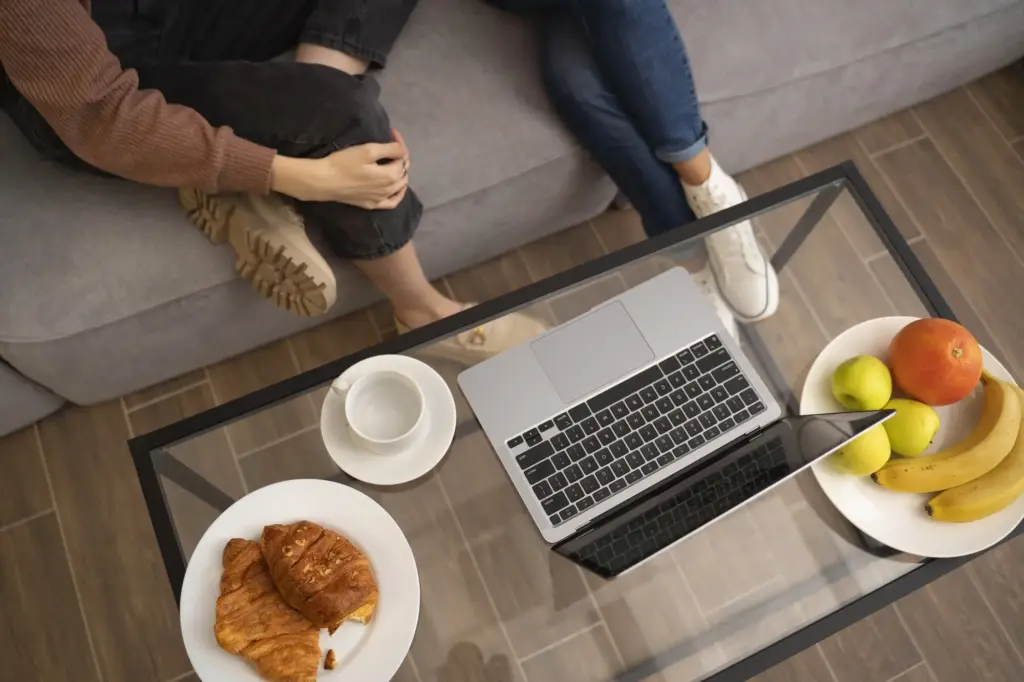
Prepare breakfast stations the night before: oats measured, kettle filled, fruit rinsed, mugs aligned. Put healthier options at eye level and treats higher or farther back. A simple tray by the toaster shrinks mess, decision time, and midmorning urges to scavenge impulsively.

Defaults Do the Heavy Lifting

Set the thermostat to eco modes by default, dishwasher to energy-saving, washing machine to cold. Make the healthiest snack the normal choice by pre-packing. Defaults act like silent agreements, reducing arguments, renegotiations, and procrastination every time attention dips or hands are full.

Salience and Timely Prompts

Put vivid labels on ambiguous containers, place checklists at point of action, and align reminders with natural transitions. A sticker near the door cues keys, mask, and bottle. The more timely the prompt, the less blame or memory gymnastics your household needs.

Commitment Devices at Home

Use playful deposits to unlock Saturday screen time, require snack points earned by chores, or schedule shared laundry slots on calendars. Commitment devices shift plans from fragile intentions to durable promises, especially when visible, time-bounded, and celebrated with tiny rituals that reinforce progress.

The Science Behind Better Household Decisions

Behind household calm lives behavioral economics. Defaults anchor behavior, salience guides attention, and loss aversion keeps good settings in place. By translating status quo bias, present bias, and choice overload into furniture, lists, and placements, you protect energy while boosting follow-through across busy weeks.

Flow-Friendly Kitchens and Pantries

{{SECTION_SUBTITLE}}

Eye-Level Strategy

Place produce, yogurt, and leftovers at eye level in the fridge, while condiments live lower. In the pantry, put grains and legumes forward, treats behind opaque bins. That tiny shift increased our weekday fruit grabs by half without any pep talks or rules.

Pre-Portioning and Visibility

Use transparent containers for nuts, berries, and chopped vegetables, placing smaller bowls and plates nearby to normalize modest servings. Pre-portion freezer soups with dates and reheating notes. When the easiest scoop equals a healthy amount, intentions finally become actions during weeknight rushes.

Family Coordination Without Constant Policing

Households thrive when guidance replaces nagging. Structure the environment so kids and partners succeed automatically, and everyone saves face. Clear signals, honest defaults, and light frictions reduce negotiations while leaving room for autonomy, humor, and surprise, which keeps collaboration resilient during real-life messes.

Sustainable Habits Through Design

Planet-friendly living improves when greener actions become the easiest ones. Rearranging outlets, containers, and routines can lower bills and guilt simultaneously. The goal is not perfection but an environment that tilts choices toward conservation even on tired days and distracted evenings.

Measure, Iterate, and Celebrate

Good design learns. Track what works, tweak what stalls, and keep only interventions that feel kind on hard days. With lightweight experiments and simple metrics, you transform clever tricks into durable systems that protect attention, time, and trust week after week.