Tiny Experiments, Better Habits

Today we explore Designing Micro-Experiments to Improve Everyday Habits, turning curiosity into practical, bite-sized trials you can run this week. Expect safe-to-fail tests, simple metrics, and stories that prove small, repeatable steps compound. Join in, try one experiment, share your results, and subscribe for new prompts that transform intention into evidence without overwhelm or perfectionism getting in the way.

Start Small, Learn Fast

Progress accelerates when experiments are tiny, reversible, and quick to evaluate. Instead of promising a monumental overhaul, design a one-day, five-minute trial that reveals a clean signal. Think one push-up before coffee, a single paragraph after lunch, or a five-breath pause before email. Smallness reduces risk, nurtures consistency, and turns the scary unknown into a playful lab where learning arrives faster than excuses.

Find the Minimum Viable Habit

Strip the idea to its lightest version that still teaches you something. If you want to read nightly, start with opening a book and scanning one paragraph. If you want to stretch, hold one pose for thirty seconds. This sliver clarifies friction, exposes hidden triggers, and wins early momentum while protecting motivation from perfection’s impossible demands.

Shrink the Timebox

Set an intentionally tiny time limit so starting feels laughably easy. A two-minute journal, a three-minute tidy, or a sixty-second breathing drill creates proof you can show up. Once the engine’s warm, continuing feels natural. If resistance spikes, end confidently anyway, log the outcome, and learn which moments, cues, or contexts support quick, repeatable progress tomorrow.

Make Success Obvious

Define what counts as a successful run so you can celebrate without ambiguity. A checked box, a single tally mark, or a quick voice note keeps tracking lightweight and honest. Remove gray zones; ensure yes or no decisions. Clear completion criteria reduce mental bargaining, build trust with yourself, and reveal patterns that guide smarter adjustments in the next iteration.

Questions That Guide Better Trials
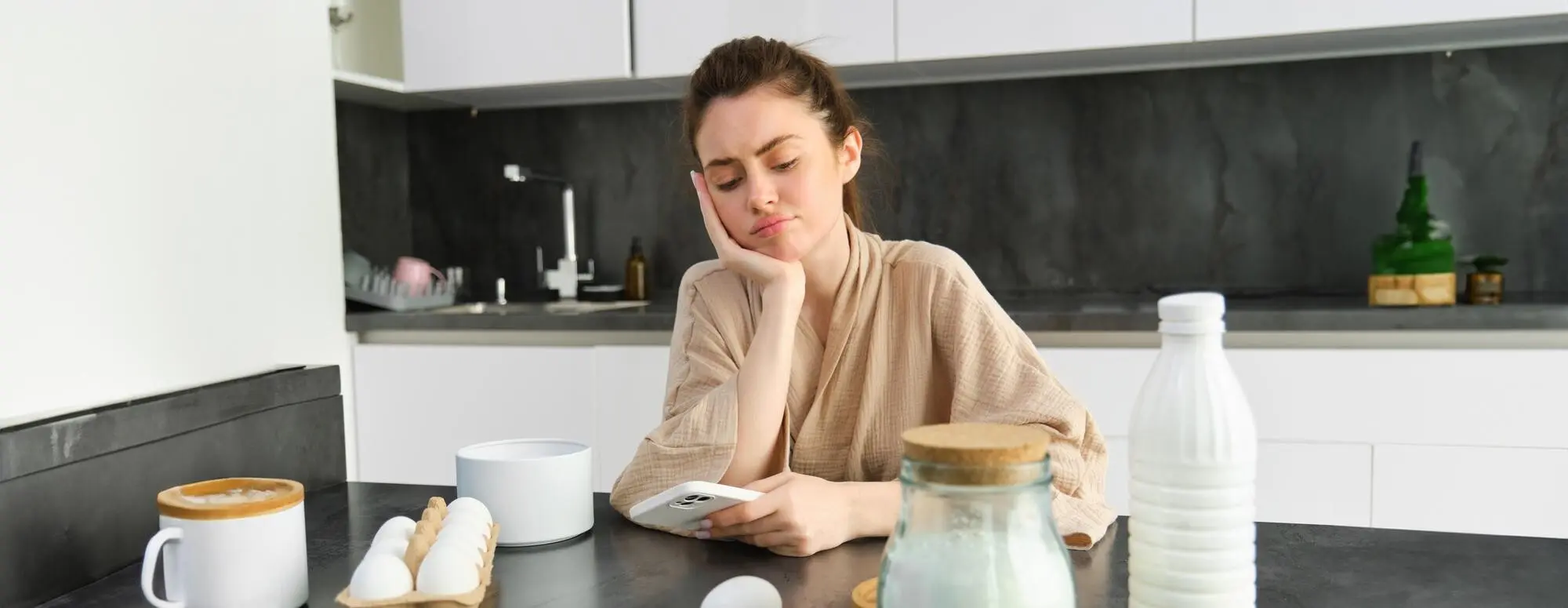
Sharp questions make micro-experiments useful. Ask something falsifiable, specific, and time-bound, such as: “If I place my running shoes by the door after dinner, will I walk for ten minutes before breakfast three days this week?” A good question limits variables, clarifies risk, and predicts a result you can test. Better questions create cleaner learning, quicker pivots, and less emotional noise.

Turn Vague Wishes into Testable Prompts

Transform “I want to be healthier” into a prompt like, “If I prep a water bottle at night and set it on my desk, will I finish it before noon for five consecutive weekdays?” Specific actors, behaviors, contexts, and timelines reduce guesswork. Testable prompts prevent drifting, surface constraints you can actually change, and uncover which tiny shifts unlock real traction today.

Define Safe-to-Fail Boundaries

Establish limits that keep experiments reversible and affordable. Cap time, energy, and cost. Decide what failure looks like, how you’ll stop, and what you’ll learn regardless. When risks feel safe, you’re more likely to start. Boundaries transform anxiety into curiosity, ensuring even a dud delivers data, stories, and next steps instead of spirals of guilt or needless overcorrection.

Predict Before You Try

Write a simple prediction like, “The shoe-by-the-door cue will increase pre-breakfast walks from zero to three this week.” Explicit predictions sharpen attention and guard against hindsight bias. When results arrive, you can compare expectation versus reality, identify surprising edges, and adjust the next test intelligently. Prediction turns action into an ongoing conversation with evidence instead of wishful thinking.

Measuring What Actually Changes

Measurement should be lightweight and meaningful, revealing progress without stealing focus. Choose leading indicators you can influence today: minutes walked, pages opened, or interruptions reduced. Track the same way every time, ideally in one visible place. Celebrate streaks cautiously, honoring recovery days too. The goal is honest clarity, not judgment, so learning remains compassionate, sustainable, and steadily directed toward improvement.

Designing Cues, Contexts, and Rewards

Environment quietly shapes action. Align cues with moments that already happen, such as boiling water or finishing a commute. Reduce friction by staging materials in the path of use and hiding distractions behind small barriers. Finish with a tiny, meaningful reward that reinforces the identity you’re practicing. Done consistently, these design choices make the preferred behavior feel delightfully automatic.

Iterate, Reflect, and Pivot

Build a Two-Person Lab

Choose a buddy, agree on micro-scopes, and exchange daily check-ins that take under two minutes. Share your prediction, single metric, and stop rule. Rotate who proposes experiments each week. The companionship normalizes setbacks, multiplies insights, and keeps the process playful. With a partner, you recover faster, learn sooner, and sustain momentum long after novelty fades.

Share Tiny Wins Publicly

Post a brief update to a chat thread, community, or personal log where others can cheer you on. Visibility boosts follow-through and invites helpful questions. Keep shares specific: before-and-after counts, surprising obstacles, or delightful cues. Public celebration builds identity and invites others to start their own tiny experiments, creating a supportive ecosystem where progress spreads naturally.